What Happened to the Old-Fashioned Neighborhood Community?
Remember when neighbors knew each other by name and regularly gathered on front porches? Discover simple ways to bring back that friendly neighborhood spirit, build meaningful connections, and create a stronger sense of community right where you live.
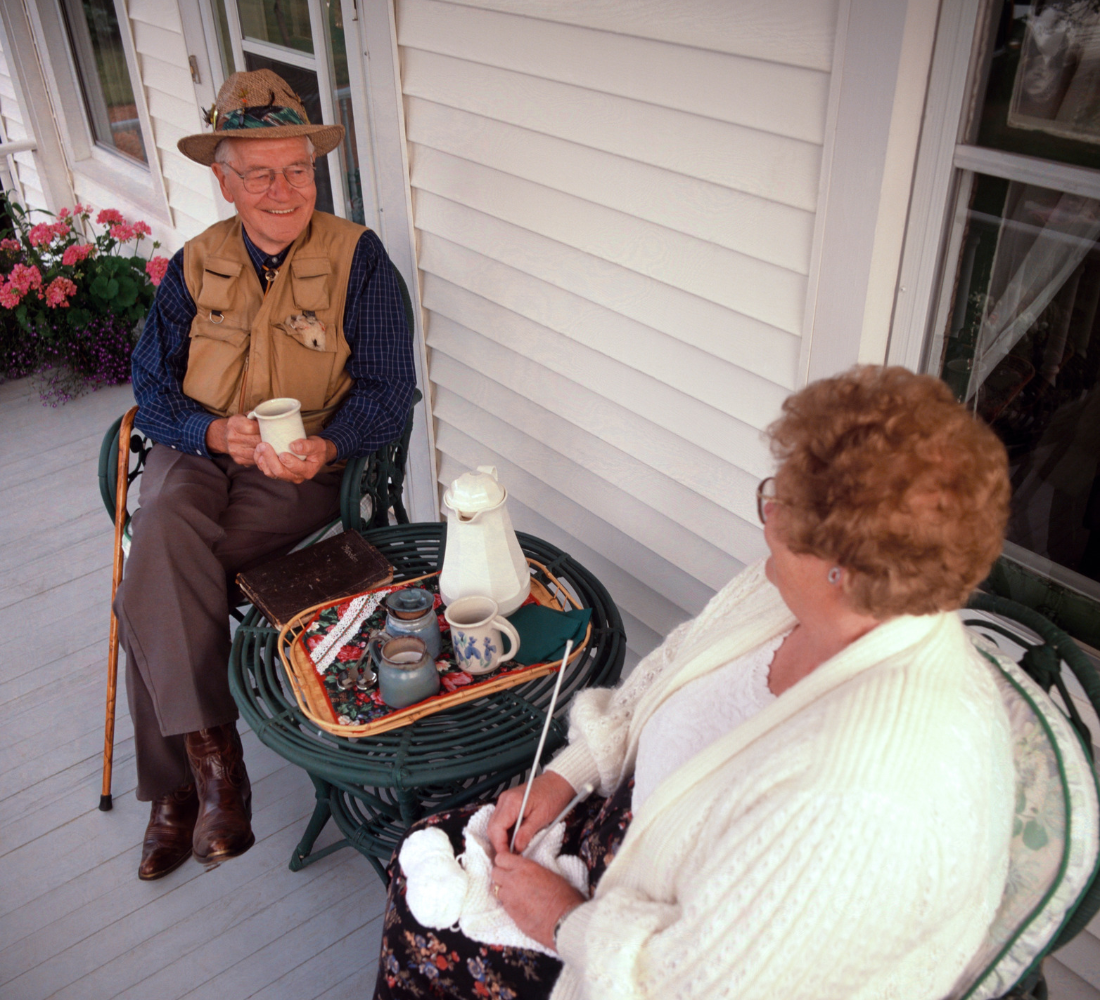
Remember the days of everyone spending time on their front yards and front porches? It seemed easier then to get to know neighbors because we all happened to see one another more often. We waved from our porch chairs and swings, asked for a cup of sugar, had cookouts, and generally kept up with others along the same street.
Today, that organic time outside just doesn’t happen the way it used to. As a result, it’s a little harder to get to know the neighbors. For folks in their retirement years who have seen well-known neighbors move away and who aren’t running into the new homeowners as often, bringing back that sense of community takes a little more effort.
Knowing the Neighbors Still Matters
Even though our neighborhoods are less set up for front porches and front yards, getting to know the people on your street and around your block is still very important. When we know the people who live near us, we feel more comfortable in our environment, we smile more often, and we have a greater sense of connection to our home.
Being neighborly does not have to only mean forming deep relationships. What it does mean is enjoying the routine of seeing familiar faces from day to day. Simply saying hello, smiling, and waving is a great way to spread good will and lift your own spirits from day to day.
When neighbors have generally good feelings for one another, even if they don’t know each other beyond waving and saying good morning, they are more inclined to watch out for everyone. This is essential during emergencies and major weather events. We tend to have a natural concern for someone when we know where they live and what their routines are. Knowing the neighbors keeps us in tune with what’s happening on the street and makes it easier to respond when something doesn’t seem quite right.
Ready to Revitalize Your Neighborhood Spirit? Start Small and Let it Grow
If you’re feeling nostalgic for a more connected neighborhood, you are probably not alone. Most people would love to know their neighbors better; they are just waiting for someone else to get things started.
The good news is that reviving the old-fashioned neighborhood feel is not very difficult to do! It begins with very small and simple steps. Start waving and saying hello, spend more time outside in the “common” area of your street or development, and strike up conversations when there is a natural opportunity.
Most early interactions are short and sweet. Whether you compliment someone’s garden or ask how they like their new car, you’re just opening the door for future opportunities. As you set the groundwork for neighborly conversations, you’ll quickly see reciprocal interest. Before you know it, you’ll be able to greet people by name, and you’ll find some things in common.
As that spirit of community begins to feel more natural and effortless, going a little deeper becomes easier. This is when taking walks in small groups, inviting someone over for coffee, or gathering all the lawn chairs together in someone’s yard becomes possible. Before you know it, you will feel like the new days are just as comfortable as the old days.
Something for Everyone in the Neighborhood
When multiple individuals or families along a street or around a block begin getting to know each other, it’s fun to start planning casual gatherings. These multi-generational get togethers might take place indoors with board game nights, book clubs, sports watching parties, and holiday open houses.
Outdoors, consider planning an annual block party, complete with yard games, themed party decorations, and an eclectic playlist. Other outdoor things to do together include gardening (plan a seed swap or start a weeding and mulching rotation), grandkid or “grandfriend” playdates, and exercise groups.
The social cohesiveness of the neighborhood improves general safety for everyone, and it can even improve property values. People who enjoy their neighbors tend to want to make their community a better place. Another benefit of a tight knit community is sharing favors:
- Taking care of pets or trash cans when someone is away
- Bringing meals to a neighbor who had a baby or a medical procedure
- Dropping off vegetables or baked goods
- Lending a helping hand with moving large items in or out of someone’s house
- Doing small repairs for each other when needed
Good neighbors don’t need to all be best friends or drop all elements of privacy, but they should make an effort to enjoy one another’s company in order to fully enjoy their own home lives.
Old or New: Being a Good Neighbor Can Always Start with You
Whether you are new to your neighborhood or have lived there longer than anyone, it’s natural to feel nervous about approaching strangers. But the truth is that most people are happy to engage with their neighbors. All it really takes is making an effort to smile and wave to get started. Relationships take time to develop, and some will never move on past that “smile and good morning” stage, but that might be enough for some folks!
We may not always be able to bring back the thriving social network of yesteryear’s neighborhoods, but we can absolutely do our part to make our own streets and developments cheerful places to live.
A stronger, more vibrant community starts with one act of kindness. We can all do that! As your kindness takes root in the minds of others, you will quickly see it grow and flourish. If you’ve been wanting to bring back the friendly neighborhood feel where you live, get started today. You may be surprised at how quickly it catches on.
About the Author
Lauren Krupp is a member of the leadership team at Telikin and contributes articles to The Senior Advisor. She enjoys helping create content that informs, inspires, and offers practical ideas for everyday life and business. Lauren lives in Montgomery County, PA, with her husband and two sons. Outside of work, she enjoys serving at her church and in her community and making memories with her family.
This article contains affiliate links, and as an Amazon affiliate, Telikin may earn from qualifying purchases.



As an Amazon Associate, I earn from qualifying purchases